
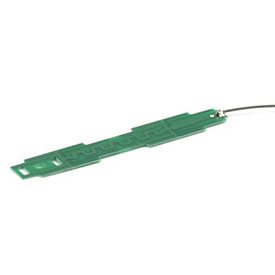
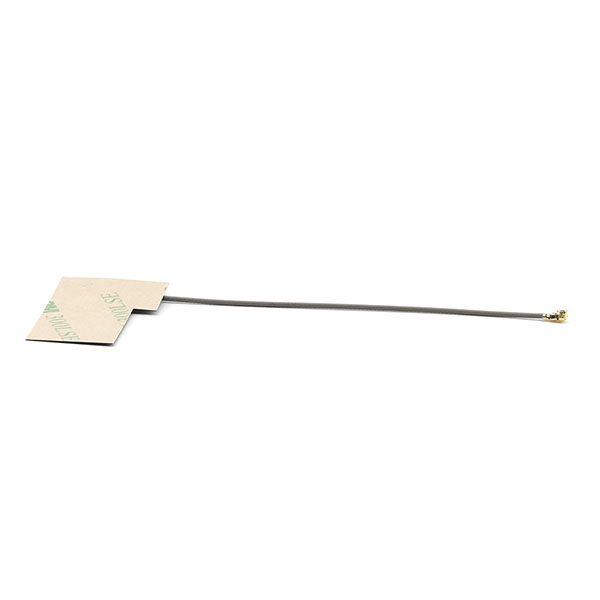
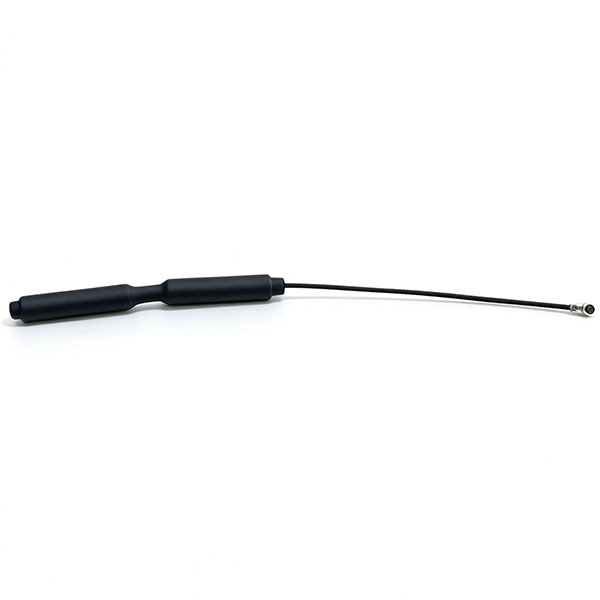
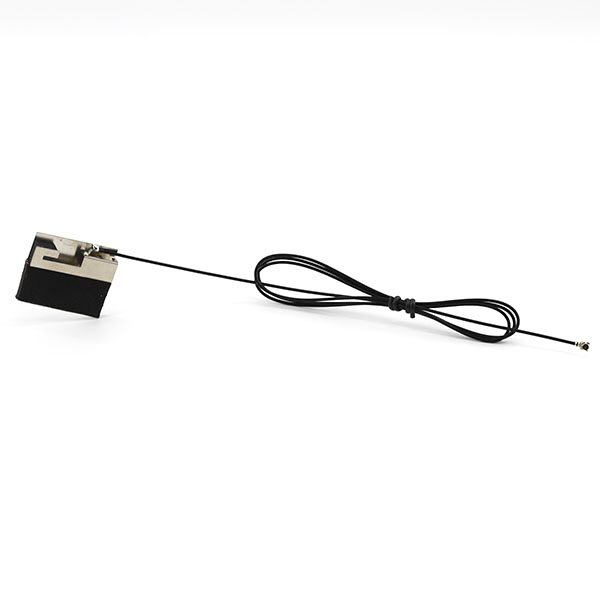
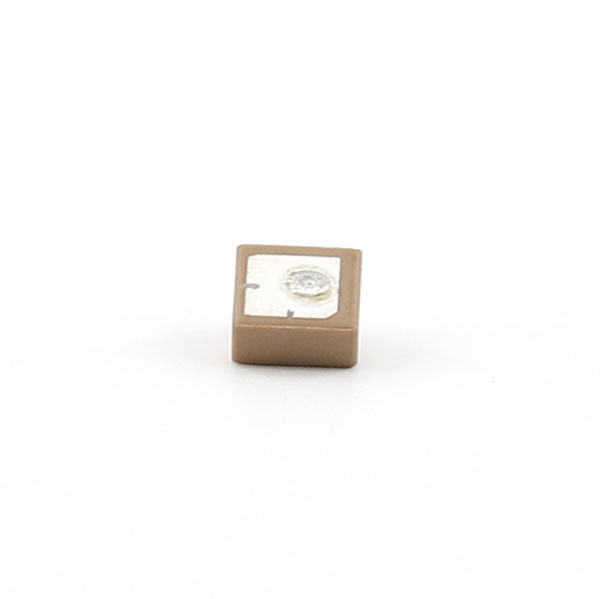
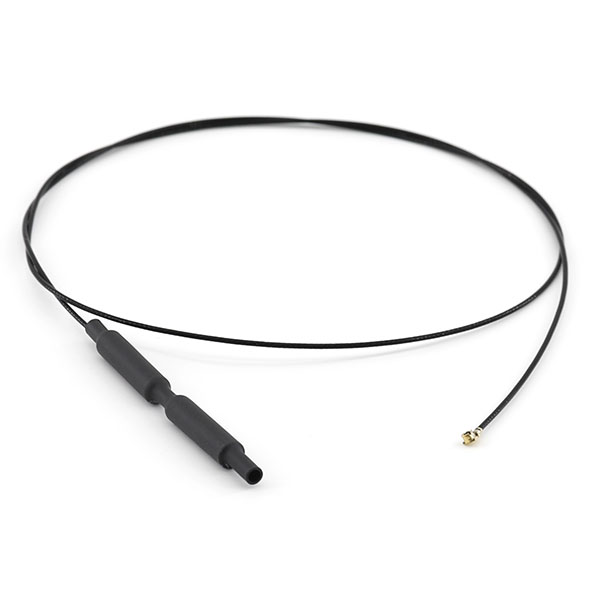
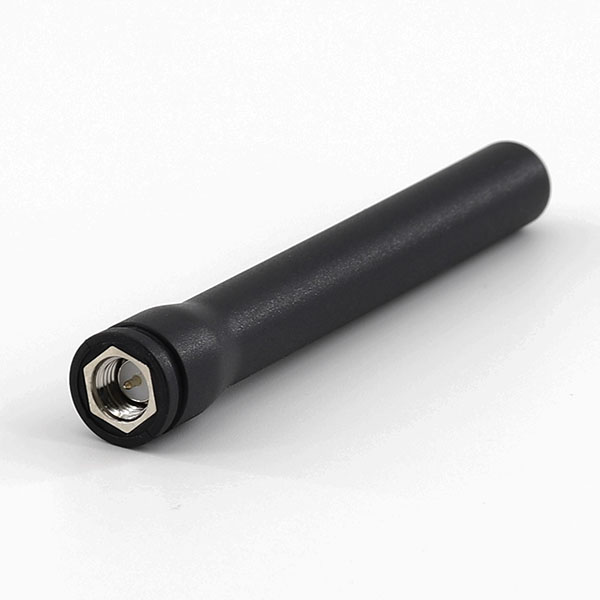
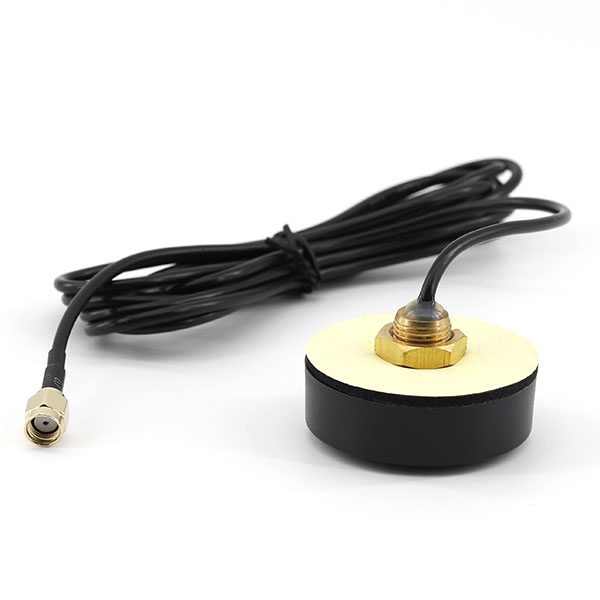













Common types of extension antennas include rod-type extension antennas, sleeve-type extension antennas, spring-type extension antennas, PCB extension antennas, and suction cup extension antennas, among others. The appropriate type can be selected based on the device’s structure and operating environment.
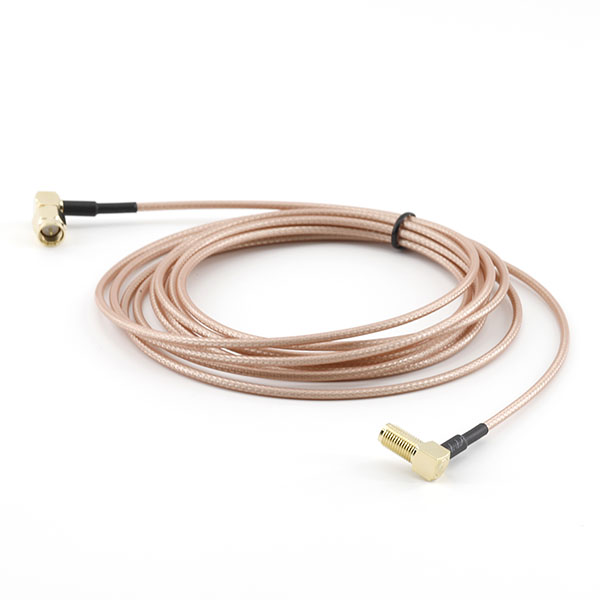
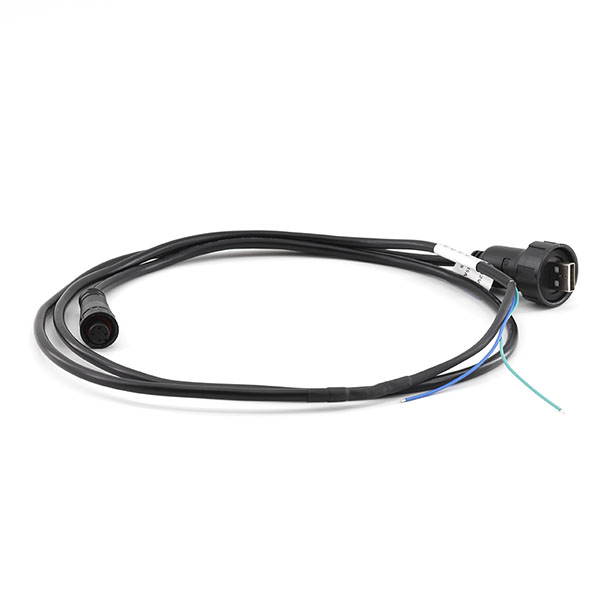
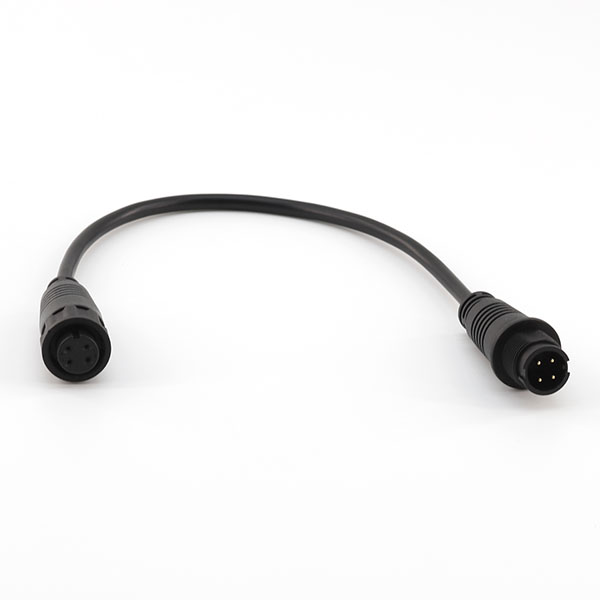
Extension antennas use cables to extend the installation location, allowing them to avoid sources of interference inside the equipment, improve signal coverage, and offer greater installation flexibility.
The extendable antenna supports various wireless communication bands, including Wi-Fi, Bluetooth, 4G, 5G, GPS/GNSS, LoRa, and NB-IoT.
Yes. We can customize the antenna size, cable length, frequency range, gain, connector type, and mounting method according to customer requirements.
Yes. The longer the RF cable, the greater the signal loss; therefore, you need to select the appropriate cable length and specifications based on the actual installation distance.
Widely used in routers, smart home devices, industrial control equipment, wireless gateways, in-vehicle devices, smart meters, and IoT terminals.
The selection should be based on a comprehensive evaluation of the device's frequency band, installation space, communication range, cable length, connector interfaces, and operating environment.
Common installation methods include adhesive mounting, screw mounting, snap-fit mounting, magnetic mounting, and through-hole mounting.
An extension cable allows the antenna to be positioned away from the device's motherboard, battery, and metal components, reducing interference and improving wireless signal quality.
For best signal performance, we recommend installing the device in an unobstructed location, away from metal and sources of high interference.
Yes, some extendable antennas are designed for exposed installation and can be used in various environments depending on the product's protection rating.
Adhesive-backed installation is simple and convenient, requiring no additional mounting structures, making it ideal for electronic devices with limited space.
We recommend conducting RF matching tests, as differences in device design may affect antenna performance, and the installation location may need to be optimized.
Some flexible cable antennas can be installed in a bent configuration, but excessive bending should be avoided to prevent it from affecting the cable's performance.
Check the antenna's installation location, ensure the connectors are secure, and inspect the cables for damage; then adjust the antenna's direction or installation location.
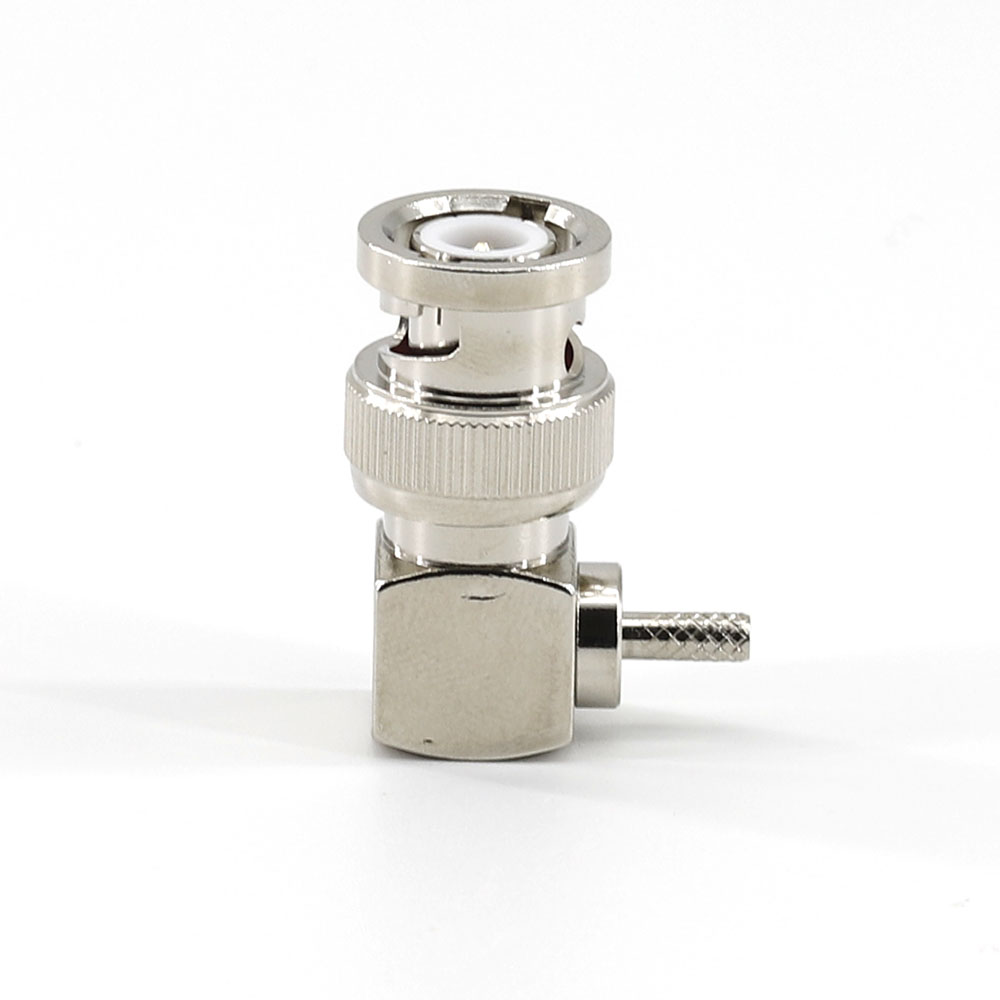
Common connectors include IPEX, SMA, RP-SMA, MMCX, N-type, and TNC, among others, and can be selected based on the device's interface.
IPEX connectors are compact and are commonly used in wireless modules, GPS modules, 4G/5G communication devices, and small smart devices.
SMA connectors are easy to install and provide reliable connections, making them widely used in wireless communication equipment and test equipment.
Yes, we can replace the connectors with different models based on the customer's device interface requirements.
Most extension antennas are designed with a 50-ohm impedance to ensure stable transmission of RF signals.
The selection should be based on the device's interface type, installation space, frequency of use, and operating environment.
Commonly used cables include RG178, RG174, 1.13, 1.37, and 1.5D, among others; different cables have varying levels of loss and flexibility.
Yes, we can customize different lengths based on the installation distance of the equipment, such as 50 mm, 100 mm, 300 mm, 1 meter, and longer lengths.
Not necessarily. Thicker cables typically have lower signal loss, but flexibility and installation space must be taken into account as well.
Depending on the operating frequency and cable type, it is generally recommended to use shorter cables for high-frequency signals to reduce signal loss.
Select low-loss RF cables, keep cable lengths within reasonable limits, and optimize the installation environment.
It is primarily used in the Internet of Things, smart homes, industrial control, connected vehicles, wireless communication devices, smart meters, and other fields.
This is a good fit. The extension cable allows for flexible adjustment of the antenna's position, solving the problem of limited internal space in the device.
Some models are suitable; select a model appropriate for outdoor environments based on the product's design and IP rating.
Proper installation can improve signal quality and enhance communication stability, but the actual range depends on the device's power, the environment, and the frequency band.